Zoanthid corals, commonly found growing on coral reefs in nature are occasionally referred to as sea mat polyps. This is due to the way they can completely cover structures underneath the sea. Zoanthids and their close relative Palythoa (Zoanthus Gigantus) are classified as Soft Corals and do not possess a hard skeletal structure.
Thanks for Shopping our selection of Zoanthid corals at Corals of Eden.com
Zoanthid corals, commonly found growing on coral reefs in nature are occasionally referred to as sea mat polyps. This is due to the way they can completely cover structures underneath the sea. Zoanthids and their close relative Palythoa (Zoanthus Gigantus) are classified as Soft Corals and do not possess a hard skeletal structure.
Thanks for Shopping our selection of Zoanthid corals at Corals of Eden.com
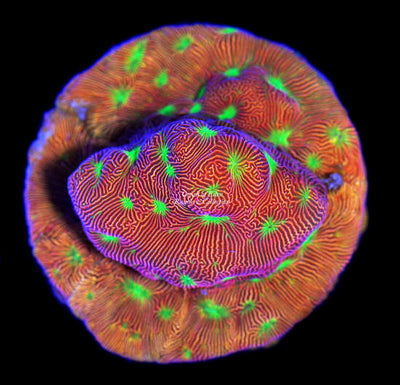
The Leptoseris coral is a dazzling species of SPS which occurs in a wide range of color morphs including neon and bright orange. These corals are known to express exceptionally vivid fluorescence and would be an awesome addition to your reef aquarium. In nature they can be found growing in low light situations such as beneath outcroppings and seem to do best with a low to moderate flow.
Psammocora corals are dazzling species of SPS and occurs in wide ranges of color morphs including neon and bright orange. These corals are known to express exceptionally vivid fluorescence and would be an awesome addition to your reef aquarium. In nature they can be found growing in low light situations such as beneath outcroppings and seem to do best with a low to moderate flow.
Watermelon Psammocora (WYSIWYG)
Regular price
$29.99
Sale price
$19.99
Save $10.00
Psammocora corals are dazzling species of SPS and occurs in wide ranges of color morphs including neon and bright orange. These corals are known to express exceptionally vivid fluorescence and would be an awesome addition to your reef aquarium. In nature they can be found growing in low light situations such as beneath outcroppings and seem to do best with a low to moderate flow.
The Ring of Fire Rainbow Lobo Coral is breathtaking to view in person and is a must have for collectors.
The Genus Lobophyllia contains several species common to the aquarium trade with Lobophyllia Hemprichii being the most popular of these LPS corals. Some of the common names for Lobo corals include: Carpet brain, Colored open brain, Meat coral and Lobed brain coral. They come in extravagant colors which are certain to please any aquarist.
On natural reefs, lobo corals can reach several meters in diameter. Occasionally individual lobes of a specimen can even display different colors than others of the same colony. Lobophyllia are found in numerous locations on reefs thus making each one slightly different in it's lighting and water flow requirements. However, it has been generally accepted that Lobo corals do well with medium lighting and moderate water movement.
Lobophyllia will readily accept many kinds of frozen food and benefit from consistent feeding. Additional supplements to give lobo corals include strontium and iodide as well as minor and trace elements. Supplementing in this fashion will aid in the growth rate of this live coral and provide ample building blocks for it's sustained health. Open brain corals such as this Ring of Fire Rainbow Lobo are remarkably hardy and regarded as a durable LPS coral perfect for both the beginner hobbyist and expert reefers alike.
The Ring of Fire Rainbow Lobo Coral is breathtaking to view in person and is a must have for collectors.
The Genus Lobophyllia contains several species common to the aquarium trade with Lobophyllia Hemprichii being the most popular of these LPS corals. Some of the common names for Lobo corals include: Carpet brain, Colored open brain, Meat coral and Lobed brain coral. They come in extravagant colors which are certain to please any aquarist.
On natural reefs, lobo corals can reach several meters in diameter. Occasionally individual lobes of a specimen can even display different colors than others of the same colony. Lobophyllia are found in numerous locations on reefs thus making each one slightly different in it's lighting and water flow requirements. However, it has been generally accepted that Lobo corals do well with medium lighting and moderate water movement.
Lobophyllia will readily accept many kinds of frozen food and benefit from consistent feeding. Additional supplements to give lobo corals include strontium and iodide as well as minor and trace elements. Supplementing in this fashion will aid in the growth rate of this live coral and provide ample building blocks for it's sustained health. Open brain corals such as this Ring of Fire Rainbow Lobo are remarkably hardy and regarded as a durable LPS coral perfect for both the beginner hobbyist and expert reefers alike.
Zoanthid corals, commonly found growing on coral reefs in nature are occasionally referred to as sea mat polyps. This is due to the way they can completely cover structures underneath the sea. Zoanthids and their close relative Palythoa (Zoanthus Gigantus) are classified as Soft Corals and do not possess a hard skeletal structure.
Thanks for Shopping our selection of Zoanthid corals at Corals of Eden.com